Sunday, April 23, 2017

Parenting Series Notes 4/11: 4/11 “If Mama Ain’t Happy, Ain’t Nobody Happy: How to Find Joy When It’s Tough to Find” by A. Ballard

A. started off the class by asking, “How are you doing?” Many would have responded “Ok” or Fine” but those are not emotions.

Feeling emotions:
  • Speaking the words we are feeling is calming. There are many more emotions than just happy and sad. Pinpointing our emotions is important.
  • Emotion lasts 8 seconds. If the emotion lasts longer than 8 seconds then something needs to be attended to. Emotions signal something is going on within just like pain signals something is wrong.
  • If your emotion could say something, what would they say? We need to increase our awareness of emotions.

Kaleidoscope of Emotions:
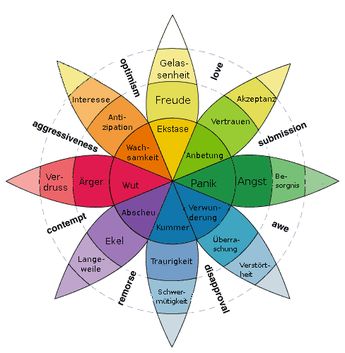
Menschliche Emotion - Überblick und Zusammenhänge


We have 12000-50000 thoughts a day but 95% of the thoughts we have are the same.

Remember sadness or anger aren’t bad. Imagine a game of tug-of-war. People are barely moving but they are sweating and working so hard. We often do the same thing with our own emotions. We feel a certain way but then tell ourselves we shouldn’t feel that way so we try to battle it. Be ok to accept what you are feeling.

We want our kids to have feelings. Be what they are and give them tools to soothe themselves.
By noticing and pinpointing an emotion, you create space. That space is awareness and you have a choice. You might not know what to do but you can pinpoint you are feeling something. Actually noticing the emotion is not an emotion itself so you can then start to cope with it.

John 11:35 “Jesus wept.” The Greatest of All felt emotions and it shows us it's ok to feel.
Tears are part of the process. It's good to let ourselves cry.

Grief is specific:
  • Related to an event - loss
  • Openly angry
  • Can experience enjoyment
  • Transient physical complaints
  • Specific guilt
  • Exhibits feels of sadness and emptiness

Depression:
  • Not related to specific event
  • Irritable and may complain. It doesn't express anger
  • All pervading sense of doom
  • Chronic physical complaints
  • Generalized feelings of guilt
  • Projects sense of hopelessness

Clinical depression: 5 or more of the following
  • depressed most of the day nearly every day
  • marked change - diminished interest
  • significant weight loss or gain
  • insomnia or hyposomnia
  • fatigue or loss of energy
  • feelings of worthlessness or excessive guilt
  • can't think or concentrate

Mindfulness: see clearly - how we pay attention and why

Your thoughts actions and attitude account for 40% of happiness. 50% is just our personality.

Self-care:
  • don't vent your anger (lash out)
  • exercise
  • go to church
  • don't watch porn/abuse alcohol - affect hedonic (point of happiness) point the most
  • spend time socializing
  • wake up with the sun
  • laugh
  • meditate - Buddy breathing with kids
  • spend money on others
  • gratitude- 5 min gratitude journal every day makes a big difference
You can't change your thoughts but try to add to them. Practice thinking things that have hope.

“Being grateful in times of distress does not mean that we are pleased with our circumstances. It does mean that through the eyes of faith we look beyond our present-day challenges.” - President Dieter F. Uchtdorf

Monday, April 17, 2017

Parenting Series Notes 3/28: Safeguarding your child from ills in modern society: Internet safety, excessive screens, pornography and sexual predators.

Objectives of discussion:
  • Journey of understanding and becoming educated vs. being prescriptive; also not an academic review of stats and figures
  • Create clear awareness of the issues
  • Discovering what we know and what we don’t know; what we need to do to know more
  • Become aware of tools that will provide an action plan
  • Learn about specifics that address the issue
  • Develop desire and confidence to put into action what we need to do

What is our response, feelings about these statements and words?
  1. Talking about the body and its functions
  2. Sexual development -  emotional, biological, psychological, etc.
  3. Sexual activity, relations and intimacy
  4. Sexual content in media
  5. Youth protection - from physical, emotional and sexual abuse
  6. Pornography
  7. Internet safety
  8. Use of technology at work, school, home, etc.
  9. Managing the appropriate use of devices and screen time
  10. Talking openly and comfortably about these issues
  11. Talking to other adults about these issues
  12. Talking to children and teenagers about these issues
  13. Talking to my children and family about these issues

Feelings these questions can raise:
  • Worry
  • Anxiety
  • Unprepared
  • Concern
  • Sense of urgency

There are tools to use to answer these difficult questions. These tools are at the same time useful and dangerous; they require training to be used safely and effectively.

Awareness of Planted Seeds in Ourselves: Awareness of the Seeds We Will Plant in Others
  • “Your mind is a garden. Your thoughts are the seeds. You can grow flowers or you can grow weeds.”

First Theme: The FOUNDATION

Having and creating healthy views and feelings about: the body, sexual development, sexual activity, relations and intimacy

  • How did your parents handle these issues for you? What worked vs what did not work well? (any seeds that have been planted in you)
  • What adjectives do you hope you will be able to use to describe yourself when you talk to your children about these topics - including exposure to sexual content and imagery on the internet and in the media? (seeds you want to plant)
  • What is important for your child to know about these topics - including how these issues are portrayed on the internet and in media?
    • Is there a simplified message that will become a “good” seed?

What does inviting, safe, “at ease” messaging look and sound like?
  • The difference between a one-time (or not often) conversation vs an ongoing dialogue
  • What unintended messaging should we be conscious of?
  • Useful tools and techniques:
    • Using the right books and other resources (videos, etc.) to guide the dialogue
    • Hypothetical questions that create a “safe” place
    • Sharing your own experience
    • Talking about events that are familiar in the family, in the news, etc.
    • Talking about their experience, feelings, activities

Second Theme: Putting Our Minds at Ease: There are many tools and resources available to help us with these topics.


Third Theme: Managing Screen Time
  • Know your kids and know your values; be consistent
  • Be age-appropriate aware
  • Set clear family rules and stick to them
  • Use technology to control media use
  • Consume media together and use them as opportunities to teach and discuss
  • Keep media out of bedrooms
  • Keep informed on what the experts say
  • Use good old fashioned story-telling, tapes, programs

For Discussion
  • What are the biggest challenges to monitoring your kid’s screen time?
  • How do you monitor screen time during play dates at your home? At others’ homes?
  • What are ways to provide constructive reinforcement of the rules about device use?
  • What is the difference between monitoring screen time vs. monitoring screen consumption?
  • Do you monitor and set rules for your own screen time?

Consider coming up with a Media Use Family Contract - how are you going to responsibly use media

Fourth Theme: Educating and Protecting Against Exposure to Pornography (and other harmful content)

    • Call it what it is. (For example: “That’s pornography.” That’s immodest.”)
    • Turn it off and turn away.
    • Talk to a trusted adult.
  • How can I keep conversations about healthy sexuality ongoing and open?
    • Approach sexuality topic with openness, kindness, and understanding. Always be on the lookout for learning and teaching moments
    • Be frank and honest. Y0u can help your children develop a sense of trust that allows them to come forward when they need help dealing with encounters and challenges with pornography.
  • Prepare spiritually
  • Introduce the doctrine
  • Learn together
  • Invite to act

Final Topic: Youth Protection
  • Physical, emotional or sexual abuse
  • Protection against (online or offline) predators
  • Cyberbullying
  • From the BSA - recognize the signs of emotional, physiaal and/orsexual abuse; certain situations will require a duty to report
    • Young people should have at least 5 identified trusted adults that they can talk freely about their feelings and problems. This network is a barrier to “grooming” by predators
    • Check First: A child should know to get permission from their trusted adult before agreeing to go anywhere with another person.
    • Be aware of the “Uh-Oh” Feeling - Trust your gut instinct: Go to a trusted adult if that feeling occurs when around others.
    • Secrets and Surprises: Your child should know that it is NOT OK for people to ask them to keep secrets from your trusted adults. Your child should know that he/she can come to you with any info and you will still love and support him/her.
    • Talk about touches and private parts. Call body parts by their appropriate names. Encourage your child to say NO and then to tell you if someone wants to touch or look at their private parts.

Closing: Moving Forward with Confidence

  • Prepare Ourselves spiritually
  • Know the doctrine
  • Use resources that provide helpful tools and instruction
  • Be mindful of the Spirit and your own messaging as you communicate about these topics with your family
  • Create a comfortable, safe and “want to talk more” environment
  • Learn, play and experience activities together
  • Invite to act
  • Continue the dialogue
  • Rinse, and repeat.